

Peptide delivery systems play a crucial role in modern medicine. They facilitate the transport of therapeutic peptides to specific sites in the body. These systems enhance the effectiveness of treatments by ensuring that drugs reach their intended targets.
Peptides, which are short chains of amino acids, have unique properties. They can mimic natural hormones and enzymes, making them valuable in drug development. However, delivering these peptides effectively poses significant challenges.
Key Takeaways
- Peptide delivery systems improve drug efficacy by enhancing stability, targeting, and bioavailability.
- They help overcome biological barriers that limit traditional drug delivery methods.
- Various types of peptide delivery systems offer tailored solutions for different therapeutic needs.
- Challenges in drug delivery include degradation and poor targeting, which peptides can address.
- Future developments aim to further optimize peptide systems for more effective and precise treatments.
The Importance of Drug Efficacy
Drug efficacy refers to a drug’s ability to produce the desired therapeutic effect. High efficacy ensures that patients receive maximum benefits from their medications. It is essential for improving health outcomes and enhancing the quality of life.
Achieving drug efficacy requires careful consideration of various factors. These include the drug’s formulation, delivery method, and the patient’s individual characteristics. A well-designed delivery system can significantly improve a drug’s efficacy.
Challenges in Drug Delivery
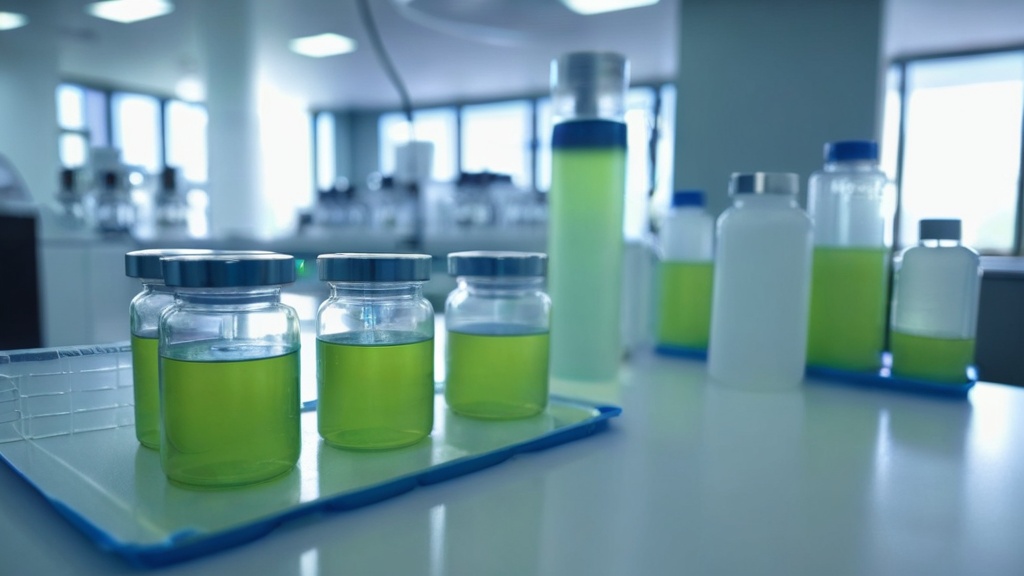
Drug delivery faces numerous challenges that can hinder treatment success.
Many drugs degrade quickly, losing their effectiveness before reaching their target.
Another challenge is the body’s natural barriers. These barriers can prevent drugs from reaching their intended sites. Overcoming these obstacles is vital for ensuring that patients receive effective treatments.
Advantages of Peptide Delivery Systems
| Advantage | Description | Impact on Therapeutic Use | Example Metrics |
|---|---|---|---|
| Improved Stability | Peptide delivery systems protect peptides from enzymatic degradation. | Increases half-life and bioavailability of peptide drugs. | Half-life extension from minutes to hours |
| Targeted Delivery | Allows peptides to be delivered specifically to target tissues or cells. | Reduces off-target effects and enhances therapeutic efficacy. | Up to 5-fold increase in target tissue concentration |
| Controlled Release | Enables sustained or timed release of peptides over a period. | Maintains therapeutic levels, reducing dosing frequency. | Release duration from hours to days |
| Enhanced Permeability | Improves peptide absorption across biological barriers. | Facilitates non-invasive administration routes like oral or nasal. | Bioavailability increase from <1% to 20-30% |
| Reduced Immunogenicity | Delivery systems can mask peptides to avoid immune detection. | Minimizes adverse immune responses. | Lower incidence of antibody formation |
Peptide delivery systems offer several advantages over traditional drug delivery methods. They can enhance the stability and bioavailability of therapeutic peptides. This leads to improved patient outcomes and reduced side effects.
Additionally, peptide delivery systems can provide targeted therapy. By directing drugs to specific cells or tissues, these systems minimize damage to healthy cells. This targeted approach increases treatment effectiveness while reducing adverse reactions.
Types of Peptide Delivery Systems
Various types of peptide delivery systems exist, each with unique features. Liposomes are one popular option, encapsulating peptides in lipid bilayers. This method protects peptides from degradation and enhances their absorption.
Another type is polymer-based delivery systems. These systems use biodegradable polymers to release peptides gradually. This controlled release can prolong the therapeutic effect and improve patient compliance.
Enhancing Drug Stability with Peptide Delivery Systems
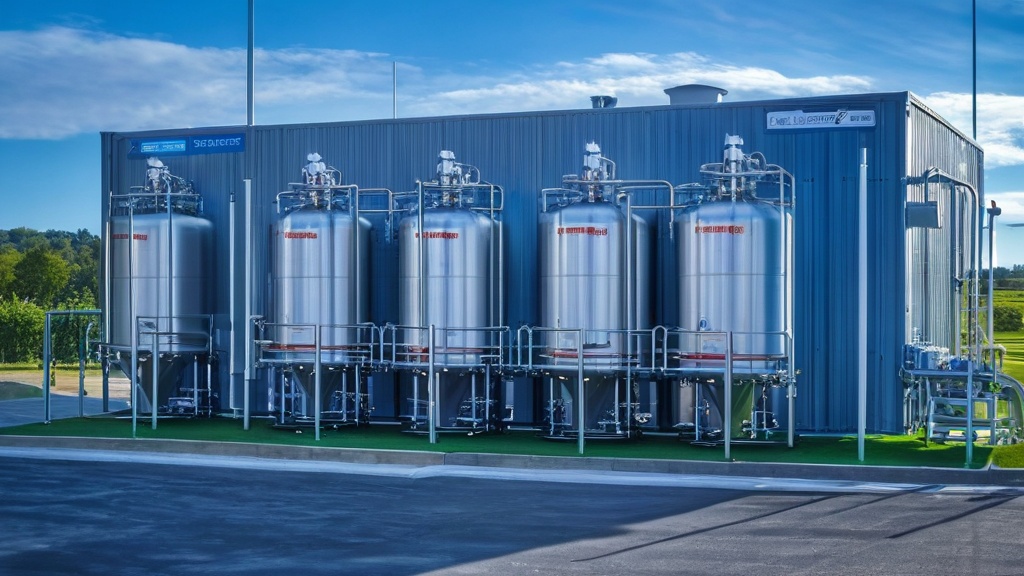
Stability is a critical factor in drug delivery. Peptides are often sensitive to environmental conditions, leading to degradation. Peptide delivery systems can enhance stability by providing protective environments.
For instance, encapsulating peptides in nanoparticles can shield them from harsh conditions. This protection helps maintain their structure and function until they reach their target site. As a result, patients receive more effective treatments.
Improving Drug Targeting with Peptide Delivery Systems
Targeting specific cells or tissues is essential for maximizing drug efficacy. Peptide delivery systems can improve targeting through various mechanisms. For example, they can be designed to bind selectively to receptors on target cells.
This selective binding ensures that the drug acts primarily on diseased cells while sparing healthy ones. Improved targeting reduces side effects and enhances treatment outcomes. It also allows for lower doses, minimizing potential toxicity.
Overcoming Biological Barriers with Peptide Delivery Systems
The human body presents numerous biological barriers that complicate drug delivery. These barriers include cell membranes and blood-brain barriers, which protect sensitive areas from foreign substances. Peptide delivery systems can help navigate these challenges effectively.
By utilizing specific transport mechanisms, peptide delivery systems can cross these barriers. For instance, certain peptides can facilitate transport across cell membranes. This capability allows for more effective drug delivery to hard-to-reach areas.
Enhancing Drug Bioavailability with Peptide Delivery Systems
Bioavailability refers to the proportion of a drug that enters circulation and reaches its target site. Low bioavailability can limit a drug’s effectiveness, making it crucial to enhance this aspect. Peptide delivery systems can significantly improve bioavailability.
By protecting peptides from degradation and facilitating absorption, these systems ensure that more active drug reaches the bloodstream. Enhanced bioavailability leads to better therapeutic outcomes and improved patient satisfaction.
Future Developments in Peptide Delivery Systems
The field of peptide delivery systems continues to evolve rapidly. Researchers are exploring innovative approaches to enhance their effectiveness further. Advances in nanotechnology and materials science hold great promise for future developments.
These systems could release drugs only when needed, maximizing efficacy while minimizing side effects. The future looks bright for peptide delivery systems in medicine.
The Potential of Peptide Delivery Systems for Enhancing Drug Efficacy
Peptide delivery systems represent a significant advancement in drug delivery technology. They offer numerous advantages, including improved stability, targeting, and bioavailability. As research progresses, these systems will likely play an increasingly vital role in enhancing drug efficacy.
The potential for peptide delivery systems to transform treatment approaches is immense. By overcoming existing challenges, they can lead to more effective therapies with fewer side effects. Ultimately, these innovations will improve patient outcomes and revolutionize healthcare practices worldwide.