

In the realm of weight management and fitness, fat loss peptides have emerged as a topic of significant interest. These small chains of amino acids play a crucial role in various biological processes, including metabolism and fat regulation. As you delve into the world of fat loss peptides, it’s essential to grasp their fundamental nature.
Unlike traditional weight loss methods that often rely on drastic dietary changes or intense exercise regimens, fat loss peptides offer a more targeted approach. They work by influencing specific pathways in your body that regulate fat storage and energy expenditure. You may find it fascinating that these peptides can be naturally occurring or synthetically produced.
Naturally occurring peptides are found in your body and are involved in numerous physiological functions, while synthetic versions are designed to mimic these natural processes. Understanding the distinction between these two types can help you make informed decisions about their use. As you explore the potential of fat loss peptides, consider how they might fit into your overall health and wellness strategy.
Key Takeaways
- Fat loss peptides help accelerate fat burning by influencing hormones and metabolism.
- Various types of peptides target fat loss through different biological mechanisms.
- Combining peptides with proper diet and exercise enhances weight loss results.
- Potential side effects exist, so sourcing peptides from reputable suppliers is crucial.
- Ongoing research aims to improve the effectiveness and safety of fat loss peptides.
How Fat Loss Peptides Work in the Body
Fat loss peptides operate through various mechanisms that enhance your body’s ability to burn fat. One of the primary ways they function is by stimulating the release of growth hormone, which plays a vital role in metabolism. When you introduce these peptides into your system, they can promote lipolysis, the process by which your body breaks down stored fat for energy.
This means that instead of relying solely on dietary restrictions or exercise to shed pounds, you can harness the power of these peptides to accelerate your fat loss journey. Moreover, fat loss peptides can also influence appetite regulation. By modulating hormones that control hunger signals, they can help you feel fuller for longer periods, reducing the likelihood of overeating.
This dual action—enhancing fat breakdown while curbing appetite—makes fat loss peptides an appealing option for those looking to achieve their weight loss goals more efficiently. As you consider incorporating these peptides into your routine, it’s essential to understand how they interact with your body’s natural processes.
The Benefits of Using Fat Loss Peptides
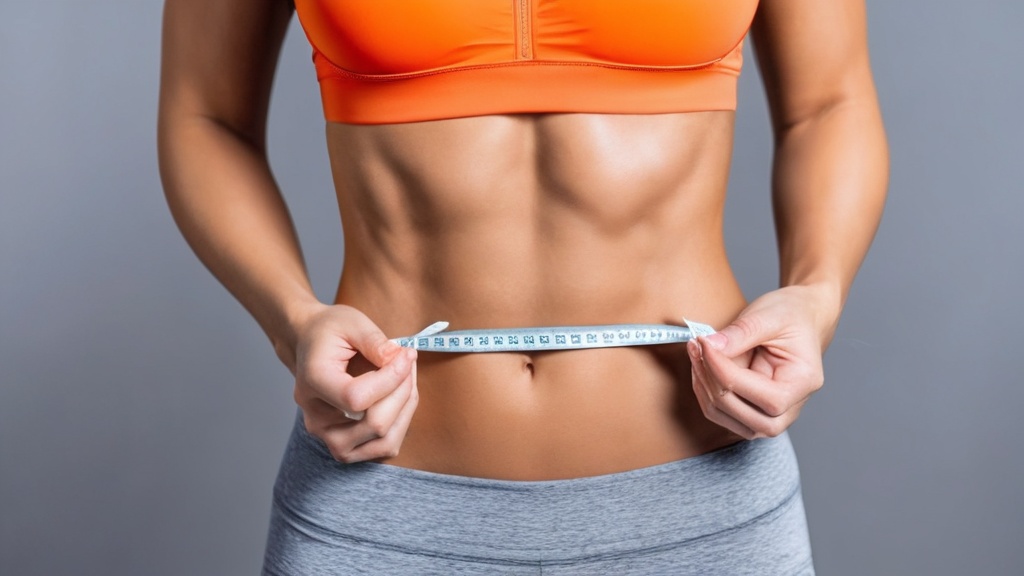
The benefits of using fat loss peptides extend beyond mere weight reduction. One significant advantage is their ability to promote lean muscle mass while facilitating fat loss. This is particularly important for individuals who want to achieve a toned physique rather than just a lower number on the scale.
By preserving muscle during the weight loss process, you can maintain a higher metabolic rate, which is crucial for long-term weight management. Additionally, fat loss peptides can enhance recovery from workouts. If you’re someone who engages in regular physical activity, you may appreciate how these peptides can aid in muscle repair and reduce soreness.
This means you can train harder and more frequently without the prolonged downtime that often accompanies intense exercise. As you explore the benefits of fat loss peptides, consider how they can complement your fitness goals and overall well-being.
Different Types of Fat Loss Peptides
There are several types of fat loss peptides available, each with its unique properties and mechanisms of action. One popular category is melanotan peptides, which are known for their ability to stimulate melanin production and promote tanning. However, they also have implications for appetite suppression and fat loss.
Another well-known peptide is CJC-1295, which enhances growth hormone secretion and can lead to increased fat metabolism. You might also come across peptides like Ipamorelin and GHRP-6, both of which are growth hormone-releasing peptides that can aid in fat loss while promoting muscle growth. Each peptide has its specific dosing protocols and potential effects on your body, so it’s essential to research and understand which ones align best with your goals.
As you navigate through the various options, consider consulting with a healthcare professional to determine the most suitable choice for your individual needs.
The Science Behind Fat Loss Peptides
| Peptide Name | Mechanism of Action | Typical Dosage | Reported Benefits | Common Side Effects |
|---|---|---|---|---|
| CJC-1295 | Growth hormone releasing hormone analog; stimulates GH release | 100-200 mcg, 2-3 times per week | Increased fat metabolism, muscle growth, improved recovery | Injection site irritation, water retention, headache |
| Ipamorelin | Growth hormone secretagogue; stimulates GH release | 200-300 mcg daily | Fat loss, increased lean muscle mass, improved sleep | Headache, dizziness, mild nausea |
| Melanotan II | Melanocortin receptor agonist; increases tanning and may reduce appetite | 0.25-1 mg daily | Appetite suppression, fat loss, enhanced tanning | Nausea, flushing, increased libido |
| Fragment 176-191 (HGH Fragment) | Modified HGH fragment; targets fat metabolism specifically | 250-500 mcg daily | Targeted fat loss, improved lipid metabolism | Injection site pain, dizziness, tiredness |
| AOD-9604 | HGH fragment; stimulates lipolysis and inhibits lipogenesis | 300-500 mcg daily | Fat reduction, improved metabolic rate | Minimal reported side effects |
The science behind fat loss peptides is rooted in their ability to interact with specific receptors in your body. When these peptides bind to their respective receptors, they trigger a cascade of biological responses that ultimately lead to increased fat oxidation and reduced adiposity. For instance, some peptides may enhance insulin sensitivity, allowing your body to utilize glucose more effectively and reduce fat storage.
Research has shown that certain fat loss peptides can also influence gene expression related to metabolism and fat storage. This means that by using these peptides, you may be able to alter how your body processes and stores energy at a molecular level. As you delve deeper into the science behind these compounds, you’ll gain a better understanding of how they can be leveraged to support your weight loss efforts.
How to Incorporate Fat Loss Peptides into Your Fitness Routine

Incorporating fat loss peptides into your fitness routine requires careful planning and consideration. First and foremost, it’s crucial to consult with a healthcare professional who understands peptide therapy. They can help you determine the appropriate dosage and timing based on your individual goals and health status.
Once you have a plan in place, you can begin integrating these peptides into your regimen. You might choose to administer the peptides through subcutaneous injections or other methods recommended by your healthcare provider. It’s essential to follow the prescribed protocol closely to maximize their effectiveness.
Additionally, consider pairing peptide use with a balanced diet and regular exercise routine for optimal results. By combining these elements, you create a synergistic effect that enhances your overall progress toward your fitness goals.
Potential Side Effects of Fat Loss Peptides
While fat loss peptides offer numerous benefits, it’s essential to be aware of potential side effects associated with their use. Some individuals may experience mild reactions such as injection site irritation or temporary changes in appetite. More serious side effects can occur but are relatively rare when peptides are used responsibly under medical supervision.
You should also be cautious about the long-term effects of peptide use, as research is still ongoing in this area. It’s vital to monitor how your body responds and communicate any concerns with your healthcare provider promptly. By staying informed about potential side effects, you can make educated decisions regarding your use of fat loss peptides.
Finding a Reputable Source for Fat Loss Peptides
When considering the use of fat loss peptides, sourcing them from a reputable supplier is paramount. The market is flooded with various products, some of which may not meet safety or quality standards. To ensure you’re getting high-quality peptides, look for suppliers that provide third-party testing results and transparent information about their manufacturing processes.
Additionally, consider seeking recommendations from healthcare professionals or individuals who have successfully used these peptides. Online forums and communities can also provide insights into reputable sources based on user experiences. By taking the time to research and verify suppliers, you can feel confident in the quality of the products you choose.
Combining Fat Loss Peptides with Diet and Exercise
To maximize the effectiveness of fat loss peptides, it’s crucial to combine them with a well-rounded diet and exercise program. A balanced diet rich in whole foods—such as lean proteins, healthy fats, and plenty of fruits and vegetables—will provide your body with the nutrients it needs to function optimally while undergoing changes in body composition. Incorporating regular physical activity is equally important.
Whether you prefer strength training, cardio workouts, or a combination of both, staying active will enhance the effects of fat loss peptides by promoting muscle growth and increasing overall energy expenditure. As you integrate these elements into your lifestyle, remember that consistency is key; sustainable changes will yield the best long-term results.
Success Stories: Real People Who Have Used Fat Loss Peptides
Hearing success stories from individuals who have used fat loss peptides can be incredibly motivating as you consider this option for yourself. Many people report significant improvements in their body composition after incorporating these peptides into their routines. For instance, some have shared experiences of losing stubborn belly fat while simultaneously gaining lean muscle mass.
These testimonials often highlight not only physical transformations but also improvements in energy levels and overall well-being. As you read about others’ journeys with fat loss peptides, reflect on how their experiences resonate with your own goals and aspirations. Their stories may inspire you to take action toward achieving your desired results.
The Future of Fat Loss Peptides: Research and Development
The future of fat loss peptides looks promising as research continues to evolve in this field. Scientists are exploring new peptide formulations that may offer enhanced efficacy or fewer side effects than current options. Ongoing studies aim to better understand how these compounds interact with various biological systems and how they can be optimized for individual needs.
As advancements in biotechnology progress, we may see even more innovative approaches to weight management through peptide therapy. Staying informed about emerging research will allow you to make educated decisions regarding your health and fitness journey as new options become available. The landscape of fat loss peptides is continually changing, offering exciting possibilities for those seeking effective solutions for weight management.
In conclusion, understanding fat loss peptides involves recognizing their unique properties and potential benefits within a comprehensive health strategy. By exploring how they work in the body, their various types, and their integration into fitness routines, you can make informed choices about incorporating them into your lifestyle while remaining mindful of potential side effects and sourcing quality products.
FAQs
What are fat loss peptides?
Fat loss peptides are short chains of amino acids that can help promote fat burning, increase metabolism, and support weight loss by influencing various biological processes in the body.
How do fat loss peptides work?
Fat loss peptides work by stimulating the release of hormones, enhancing fat metabolism, increasing energy expenditure, and sometimes improving muscle growth, which collectively aid in reducing body fat.
Are fat loss peptides safe to use?
When used under medical supervision and sourced from reputable suppliers, fat loss peptides are generally considered safe. However, improper use or unregulated products can pose health risks.
Can fat loss peptides replace diet and exercise?
No, fat loss peptides are not a substitute for a healthy diet and regular exercise. They are typically used as a supplement to support fat loss efforts alongside lifestyle changes.
What are common types of fat loss peptides?
Common fat loss peptides include CJC-1295, Ipamorelin, Tesamorelin, and Melanotan II, each with different mechanisms to aid in fat reduction and metabolic enhancement.
How are fat loss peptides administered?
Fat loss peptides are usually administered via subcutaneous injections, but some may be available in other forms such as nasal sprays or oral supplements, depending on the specific peptide.
Are there any side effects associated with fat loss peptides?
Possible side effects can include injection site reactions, water retention, increased hunger, or hormonal imbalances. It is important to consult a healthcare professional before use.
How long does it take to see results from fat loss peptides?
Results vary depending on the peptide used, dosage, individual metabolism, and lifestyle factors, but some users may notice changes within a few weeks of consistent use.
Do fat loss peptides require a prescription?
In many countries, certain fat loss peptides require a prescription and should be used under medical supervision to ensure safety and effectiveness.
Can fat loss peptides help with muscle gain?
Some fat loss peptides also promote muscle growth by increasing growth hormone levels, which can help improve body composition by reducing fat and increasing lean muscle mass.