

Peptide therapeutics represent a promising frontier in modern medicine. These small chains of amino acids play crucial roles in various biological processes. Their unique properties make them suitable for treating a wide range of diseases.
As researchers explore their potential, peptide therapeutics continue to gain attention in the pharmaceutical industry. The growing interest in peptide therapeutics stems from their ability to target specific biological pathways. This precision can lead to more effective treatments with fewer side effects.
As we delve deeper into this topic, we will uncover the significance of peptides in medicine and their transformative potential.
Key Takeaways
- Peptide therapeutics offer targeted and effective treatment options with fewer side effects compared to traditional medications.
- They play a significant role in managing chronic diseases, cancer, and advancing regenerative medicine.
- Development involves complex manufacturing processes to ensure stability and bioavailability.
- Innovations in delivery methods are overcoming challenges related to peptide stability and absorption.
- Peptide therapeutics are key to the future of personalized medicine and targeted drug delivery.
Understanding Peptides and their Role in Medicine
Peptides are short sequences of amino acids linked by peptide bonds. They serve as building blocks for proteins and play vital roles in cellular functions. In medicine, peptides can act as hormones, neurotransmitters, and signaling molecules.
Their diverse functions make them essential for maintaining health and regulating bodily processes. Researchers have identified numerous peptides that exhibit therapeutic properties. For instance, insulin is a well-known peptide hormone that regulates blood sugar levels.
Other peptides can modulate immune responses or promote tissue repair. Understanding these roles helps scientists develop targeted therapies for various conditions.
Advantages of Peptide Therapeutics over Traditional Medications

Peptide therapeutics offer several advantages compared to traditional medications. First, they often exhibit high specificity for their targets. This specificity can lead to improved efficacy and reduced side effects.
Unlike many small-molecule drugs, peptides can interact with complex biological systems more precisely. Additionally, peptides generally have a favorable safety profile. Their natural origin means they are less likely to cause adverse reactions.
Furthermore, peptides can be designed to mimic natural processes, enhancing their therapeutic potential. These advantages position peptide therapeutics as a valuable alternative in modern medicine.
The Development and Manufacturing Process of Peptide Therapeutics
The development of peptide therapeutics involves several key steps. Researchers begin by identifying potential peptide candidates through screening and design. They then synthesize these peptides using solid-phase or liquid-phase methods.
Each method has its advantages, depending on the desired properties of the final product. Once synthesized, scientists conduct rigorous testing to evaluate the peptides’ safety and efficacy. This process includes preclinical studies and clinical trials.
Manufacturing peptides at scale also presents challenges, such as ensuring purity and stability. Addressing these challenges is crucial for bringing effective peptide therapeutics to market.
Peptide Therapeutics in the Treatment of Chronic Diseases
| Metric | Value | Unit | Description |
|---|---|---|---|
| Number of FDA-Approved Peptide Drugs | 80+ | Count | Total peptide therapeutics approved by the FDA as of 2024 |
| Average Peptide Length | 10-50 | Amino Acids | Typical length range of therapeutic peptides |
| Market Growth Rate | 9.5 | % CAGR | Compound annual growth rate of the peptide therapeutics market (2023-2030) |
| Half-Life Extension Techniques | 3 | Methods | Common strategies: PEGylation, lipidation, and cyclization |
| Common Therapeutic Areas | 5 | Categories | Includes oncology, endocrinology, infectious diseases, cardiovascular, and metabolic disorders |
| Typical Molecular Weight | 1-5 | kDa | Range of molecular weights for peptide drugs |
| Oral Bioavailability | Low | Qualitative | Most peptides have poor oral bioavailability, requiring injection |
Chronic diseases pose significant challenges to healthcare systems worldwide. Conditions like diabetes, cardiovascular diseases, and obesity require long-term management strategies. Peptide therapeutics have emerged as promising options for treating these conditions effectively.
For example, GLP-1 receptor agonists have shown success in managing type 2 diabetes. These peptides help regulate blood sugar levels and promote weight loss.
Their ability to address multiple aspects of chronic diseases makes them valuable tools in modern medicine.
The Role of Peptide Therapeutics in Cancer Treatment
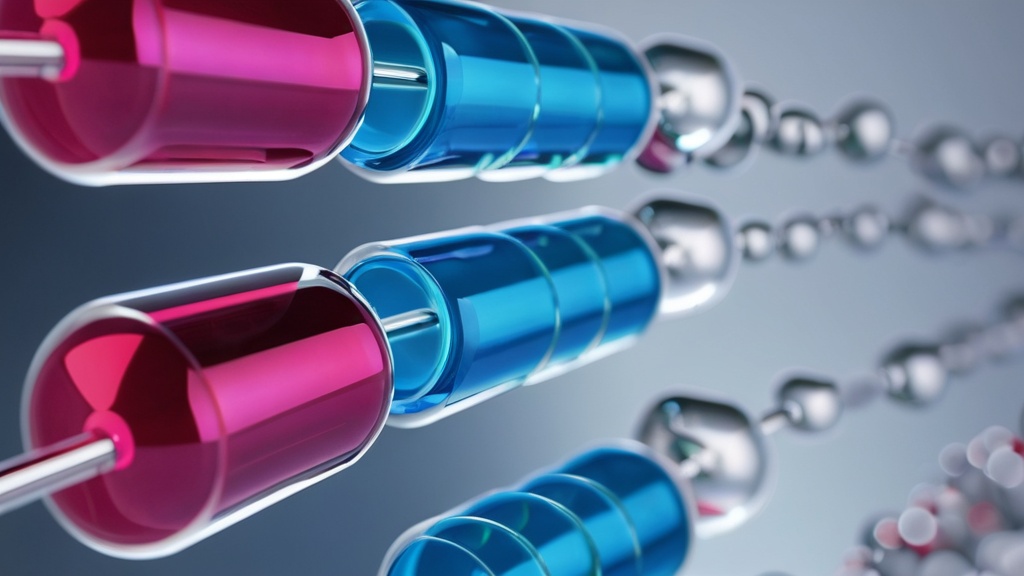
Cancer treatment has evolved significantly over the years, with peptide therapeutics playing an increasingly important role. Researchers have developed various peptide-based therapies that target cancer cells specifically. These therapies can enhance the effectiveness of traditional treatments like chemotherapy and radiation.
One approach involves using peptides to deliver cytotoxic agents directly to tumor cells. This targeted delivery minimizes damage to healthy tissues while maximizing treatment efficacy. Additionally, some peptides can stimulate the immune system to recognize and attack cancer cells more effectively.
This dual action highlights the potential of peptide therapeutics in oncology.
Peptide Therapeutics and the Future of Personalized Medicine
Personalized medicine aims to tailor treatments to individual patients based on their unique characteristics. Peptide therapeutics align well with this approach due to their customizable nature. Researchers can design peptides that target specific biomarkers associated with a patient’s condition.
This customization allows for more effective treatments with fewer side effects. As our understanding of genomics and proteomics advances, peptide therapeutics will likely play a central role in personalized medicine strategies. The ability to create tailored therapies represents a significant shift in how we approach disease management.
Overcoming Challenges in the Delivery of Peptide Therapeutics
Despite their potential, delivering peptide therapeutics effectively remains a challenge. Peptides often face degradation in the gastrointestinal tract when taken orally. This limits their bioavailability and effectiveness as oral medications.
Researchers are exploring various delivery methods to overcome these obstacles. One promising approach involves using nanoparticles or liposomes to encapsulate peptides. These carriers can protect peptides from degradation while enhancing absorption.
Additionally, alternative delivery routes, such as transdermal or intranasal administration, show promise for improving peptide delivery efficiency.
Peptide Therapeutics in Regenerative Medicine
Regenerative medicine focuses on repairing or replacing damaged tissues and organs. Peptide therapeutics have emerged as valuable tools in this field due to their ability to promote healing and regeneration. Certain peptides can stimulate stem cell activity or enhance tissue repair processes.
For instance, peptides derived from growth factors can encourage cell proliferation and migration at injury sites.
As researchers continue to explore these applications, peptide therapeutics may revolutionize regenerative medicine practices.
Peptide Therapeutics and the Potential for Targeted Drug Delivery
Targeted drug delivery remains a critical goal in modern pharmacology. Peptide therapeutics offer unique opportunities for achieving this objective. Their ability to bind specifically to receptors on target cells allows for precise drug delivery.
By conjugating therapeutic agents with targeting peptides, researchers can enhance treatment efficacy while minimizing side effects. This approach holds promise for various applications, including cancer therapy and chronic disease management. The potential for targeted drug delivery through peptide therapeutics represents a significant advancement in medical science.
The Impact of Peptide Therapeutics on the Future of Medicine
Peptide therapeutics hold immense promise for transforming the landscape of modern medicine. Their unique properties enable targeted treatments with improved safety profiles compared to traditional medications. As research continues to advance, we can expect significant breakthroughs in various therapeutic areas.
From chronic disease management to cancer treatment and personalized medicine, the applications of peptide therapeutics are vast and varied. Overcoming delivery challenges will further enhance their potential impact on patient care. Ultimately, peptide therapeutics may redefine how we approach treatment strategies in the future, paving the way for more effective and personalized healthcare solutions.