

The global peptide market has experienced substantial growth, driven by increasing recognition of peptides’ therapeutic applications. Peptides are short chains of amino acids, typically containing 2-50 amino acid residues, that serve as signaling molecules and regulatory compounds in biological systems. These biomolecules function as hormones, neurotransmitters, and enzyme inhibitors, making them valuable targets for pharmaceutical development.
The peptide therapeutics market is projected to reach significant valuations due to several factors. Peptides demonstrate superior target selectivity compared to small molecule drugs, resulting in reduced off-target effects and improved safety profiles. Their biocompatibility and biodegradability make them attractive therapeutic candidates.
Additionally, peptides can modulate protein-protein interactions that are often considered “undruggable” by conventional small molecules. Current applications of peptide therapeutics span multiple therapeutic areas, including oncology, metabolic disorders, cardiovascular diseases, and infectious diseases. Notable examples include insulin for diabetes management, GLP-1 receptor agonists for type 2 diabetes, and various peptide-based cancer treatments.
The market encompasses synthetic peptides, recombinant peptides, and peptide conjugates, with delivery methods ranging from injection to novel oral formulations.
Key Takeaways
- The peptide market is experiencing significant growth driven by increasing demand in pharmaceuticals and biotechnology.
- Key factors fueling market expansion include advancements in peptide synthesis and rising prevalence of chronic diseases.
- Emerging opportunities are present in personalized medicine, diagnostics, and novel therapeutic applications.
- Regulatory challenges and market segmentation vary globally, influencing regional growth prospects.
- Technological innovations and strategic collaborations among key players are shaping the future outlook of the peptide market.
Overview of the Growth of the Peptide Market
The peptide market has experienced remarkable growth over the past decade. According to recent reports, the market is projected to reach billions in revenue by 2025. This growth stems from advancements in peptide synthesis and increased demand for novel therapeutics.
Pharmaceutical companies are investing heavily in peptide research, driving innovation and market expansion. Moreover, the rise of personalized medicine has contributed to this growth. Patients increasingly seek tailored treatments that address their specific conditions.
Peptides, with their customizable nature, fit perfectly into this trend. As healthcare shifts towards more personalized approaches, the peptide market stands to benefit significantly.
Factors Driving the Growth of the Peptide Market
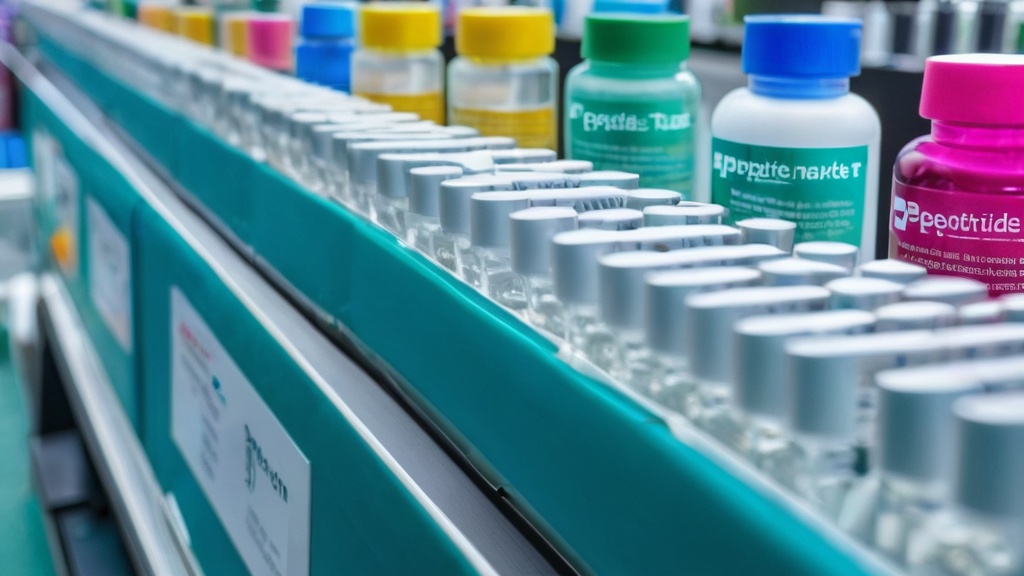
Several factors contribute to the rapid growth of the peptide market. First, the increasing prevalence of chronic diseases drives demand for effective treatments. Conditions like diabetes, cancer, and cardiovascular diseases require innovative solutions.
Peptides offer promising therapeutic options that can address these health challenges. Second, advancements in peptide synthesis technologies have made production more efficient and cost-effective. Techniques such as solid-phase peptide synthesis (SPPS) have revolutionized how peptides are manufactured.
These innovations enable researchers to create complex peptides quickly and at lower costs, further fueling market growth.
Emerging Opportunities in the Peptide Market
The peptide market presents numerous emerging opportunities for investors and companies. One significant area is the development of peptide-based vaccines. Researchers are exploring peptides as potential vaccine candidates for various infectious diseases.
This approach could lead to more effective and safer vaccines, addressing global health challenges. Another opportunity lies in the cosmetic industry. Peptides are gaining popularity in skincare products due to their anti-aging properties.
Companies that invest in peptide-based cosmetics can tap into this growing market segment.
Key Players and Market Trends in the Peptide Market
| Metric | Value | Year | Notes |
|---|---|---|---|
| Global Market Size | 25.5 billion | 2023 | Estimated market value |
| Expected CAGR | 8.2% | 2023-2030 | Compound annual growth rate |
| Top Application Segment | Pharmaceuticals | 2023 | Largest revenue contributor |
| Leading Region | North America | 2023 | Highest market share |
| Key Market Driver | Rising demand for peptide-based drugs | 2023 | Increasing chronic diseases |
| Major Restraint | High production costs | 2023 | Limits market growth |
Several key players dominate the peptide market landscape. Companies like Amgen, Eli Lilly, and Novo Nordisk lead in developing peptide therapeutics. These organizations invest heavily in research and development to maintain their competitive edge.
Their commitment to innovation drives market trends and shapes the future of peptide therapies. Additionally, collaborations between pharmaceutical companies and research institutions are on the rise. These partnerships facilitate knowledge sharing and accelerate the development of new peptide-based treatments.
As more companies enter the market, competition will intensify, leading to further advancements in peptide technology.
Market Segmentation and Potential for Growth

The peptide market can be segmented based on various factors, including application, type, and end-user. Applications range from therapeutics to diagnostics, with each segment showing unique growth potential. For instance, therapeutic peptides dominate the market due to their widespread use in treating chronic diseases.
Moreover, geographical segmentation reveals varying growth rates across regions. North America currently holds a significant share of the market, driven by advanced healthcare infrastructure and research capabilities. However, Asia-Pacific is emerging as a lucrative region due to increasing investments in biotechnology and pharmaceuticals.
Regulatory Landscape and Challenges in the Peptide Market
Navigating the regulatory landscape poses challenges for companies in the peptide market. Regulatory agencies like the FDA impose strict guidelines on drug development and approval processes. Companies must ensure compliance with these regulations to bring their products to market successfully.
Additionally, the complexity of peptide synthesis can lead to quality control issues. Maintaining consistency in production is crucial for ensuring safety and efficacy. Companies must invest in robust quality assurance systems to meet regulatory standards while minimizing risks associated with peptide therapies.
Technological Advancements and Innovations in the Peptide Market
Technological advancements play a pivotal role in shaping the peptide market. Innovations in peptide synthesis techniques have significantly improved efficiency and scalability. For example, automated synthesizers allow for high-throughput production of peptides, reducing time and costs.
Furthermore, advancements in analytical techniques enhance the characterization of peptides. Techniques like mass spectrometry enable researchers to analyze peptide structures accurately. These innovations facilitate better understanding and optimization of peptide-based therapies, driving further growth in the market.
Global Market Analysis and Regional Opportunities
A global analysis of the peptide market reveals diverse opportunities across regions. North America remains a leader due to its strong pharmaceutical industry and research capabilities. However, Europe also shows promising growth potential, particularly in countries like Germany and France.
In contrast, Asia-Pacific is rapidly emerging as a key player in the peptide market. Countries like China and India are investing heavily in biotechnology research and development. This investment creates a favorable environment for peptide innovation and commercialization.
Future Outlook and Projections for the Peptide Market
The future outlook for the peptide market appears bright. Analysts project continued growth driven by increasing demand for novel therapeutics and advancements in technology. As more companies enter the market, competition will spur innovation and lead to new product developments.
Moreover, ongoing research into peptide applications will likely uncover new therapeutic areas. This exploration could expand the market further, attracting additional investments from various sectors. Overall, the peptide market is poised for sustained growth over the coming years.
Conclusion and Recommendations for Investors in the Peptide Market
In conclusion, the peptide market presents significant opportunities for investors and companies alike.
Investors should consider entering this dynamic market to capitalize on its potential.
To maximize success, investors should focus on companies with strong research capabilities and innovative pipelines. Collaborations between pharmaceutical firms and research institutions can also provide valuable insights into emerging trends. By staying informed about regulatory developments and technological advancements, investors can navigate this evolving landscape effectively.