

Peptide companies constitute a significant segment of the biotechnology industry, specializing in the research, development, and manufacturing of peptides—short sequences of amino acids typically containing 2-50 amino acid residues. These biomolecules function as essential components in protein synthesis and demonstrate considerable therapeutic applications across multiple medical disciplines. The pharmaceutical industry has experienced substantial growth in peptide-based drug development over the past two decades.
Companies operating in this sector employ advanced technologies including solid-phase peptide synthesis, recombinant DNA technology, and chemical modification techniques to produce therapeutic peptides. Their research efforts have yielded approved treatments for conditions including diabetes (insulin analogs), growth hormone deficiencies (somatropin), and certain cancers (octreotide for neuroendocrine tumors). Current market data indicates that peptide therapeutics represent one of the fastest-growing segments in pharmaceutical development, with over 60 peptide drugs currently approved by regulatory agencies and hundreds more in clinical trials targeting oncology, endocrinology, and metabolic disease applications.
Key Takeaways
- Peptide companies are driving innovation in biotech through advanced synthesis and engineering techniques.
- Peptides play a crucial role in drug development, especially in cancer treatment and immunotherapies.
- Innovations in peptide delivery systems are enhancing therapeutic effectiveness and patient outcomes.
- Collaborations and partnerships are key to overcoming regulatory challenges and accelerating peptide-based therapies.
- The future of peptide companies in biotech looks promising with emerging trends in targeted therapies and vaccine development.
Advancements in Peptide Synthesis Technology
Recent advancements in peptide synthesis technology have revolutionized the industry. Techniques like solid-phase peptide synthesis (SPPS) allow for efficient production of peptides. This method streamlines the process, making it faster and more cost-effective.
Moreover, automated synthesizers have improved precision and scalability. These machines can produce large quantities of peptides with minimal human intervention. As a result, companies can meet growing demand while maintaining high quality.
Applications of Peptides in Drug Development
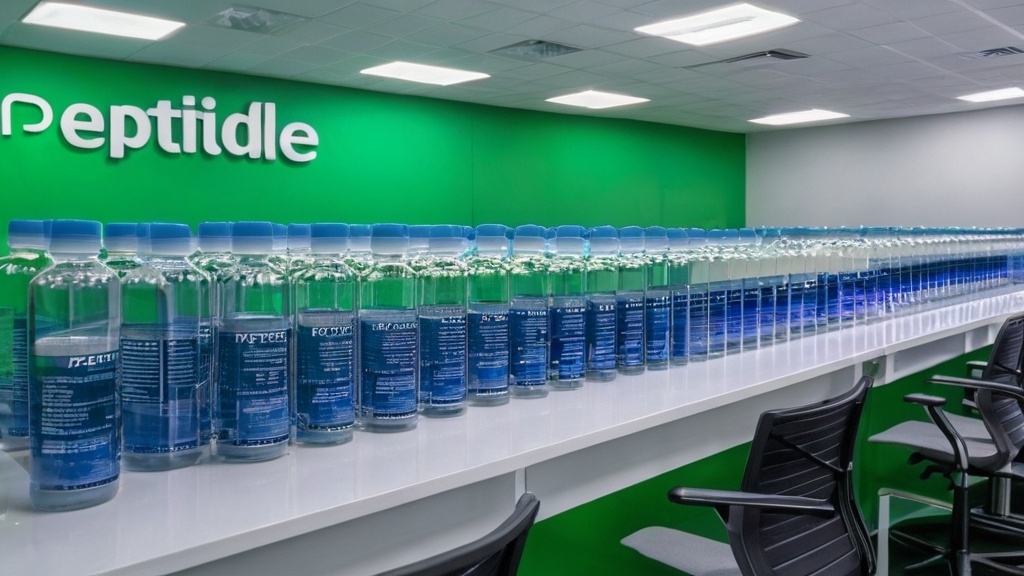
Peptides have diverse applications in drug development. They can act as hormones, enzymes, or signaling molecules, influencing various biological processes. Their specificity makes them ideal candidates for targeted therapies.
In addition, peptides can serve as scaffolds for drug design. Researchers can modify their structures to enhance efficacy and reduce side effects. This versatility opens new avenues for developing innovative treatments.
Leading Peptide Companies in the Biotech Industry
Several leading peptide companies have emerged in the biotech industry. These firms specialize in peptide synthesis, research, and development. They contribute significantly to advancing peptide therapeutics.
Companies like Amgen and Eli Lilly have made notable strides in this field. They invest heavily in research to discover new peptide-based drugs. Their commitment to innovation drives progress in the biotech landscape.
Innovations in Peptide Delivery Systems
| Company Name | Headquarters | Year Founded | Number of Employees | Specialization | Annual Revenue (in millions) |
|---|---|---|---|---|---|
| PeptiDream Inc. | Tokyo, Japan | 2006 | 200 | Peptide drug discovery | 85 |
| PolyPeptide Group | San Diego, USA | 1997 | 700 | Peptide manufacturing | 150 |
| Peptide Sciences | New Jersey, USA | 2010 | 50 | Custom peptide synthesis | 12 |
| CSBio | Menlo Park, USA | 2000 | 100 | Peptide synthesis and purification | 25 |
| GenScript | Nanjing, China | 2002 | 4000 | Peptide synthesis and biotech services | 500 |
Effective delivery systems are essential for peptide therapeutics. Innovations in this area enhance the bioavailability of peptides. Researchers explore various methods, including nanoparticles and liposomes, to improve delivery.
These systems protect peptides from degradation and ensure targeted release. As a result, patients experience better therapeutic outcomes. Ongoing research continues to refine these delivery methods for optimal effectiveness.
Peptide Therapeutics for Cancer Treatment
Peptide therapeutics show great promise in cancer treatment. They can target specific cancer cells while sparing healthy tissue. This selectivity reduces side effects compared to traditional therapies.
Researchers are developing peptide-based drugs that inhibit tumor growth. These drugs can disrupt cancer cell signaling pathways, leading to cell death. The potential for personalized medicine also exists, tailoring treatments to individual patients.
Peptide-Based Vaccines and Immunotherapies
Peptide-based vaccines represent a novel approach to immunotherapy. These vaccines stimulate the immune system to recognize and attack cancer cells. They can be designed to target specific tumor antigens, enhancing their effectiveness.
Additionally, researchers are exploring combination therapies that include peptide vaccines. This strategy may improve overall treatment outcomes by harnessing multiple mechanisms of action. The future of cancer treatment may heavily rely on these innovative approaches.
Peptide Engineering and Design for Targeted Therapies
Peptide engineering plays a vital role in developing targeted therapies. Scientists modify peptide sequences to enhance their binding affinity and stability.
Advanced computational tools aid in designing peptides with desired properties. These tools simulate interactions between peptides and their targets, streamlining the design process. As a result, researchers can develop more effective therapies faster.
Collaborations and Partnerships in the Peptide Industry
Collaborations between companies and academic institutions drive innovation in the peptide industry. These partnerships facilitate knowledge exchange and resource sharing. Together, they tackle complex challenges in peptide research and development.
Many leading biotech firms actively seek collaborations to enhance their capabilities. By pooling expertise, they can accelerate the development of new therapies. This collaborative spirit fosters a dynamic environment for scientific advancement.
Regulatory Challenges and Opportunities for Peptide Companies
Peptide companies face various regulatory challenges in drug development. Navigating the approval process can be complex and time-consuming. Regulatory agencies require extensive data on safety and efficacy before granting approval.
However, these challenges also present opportunities for innovation. Companies that successfully navigate regulations can gain a competitive edge. Developing streamlined processes for compliance can enhance efficiency and reduce time to market.
Future Trends and Outlook for Peptide Companies in Biotech
The future of peptide companies in biotech looks promising. Advances in technology will continue to drive innovation in peptide synthesis and delivery systems. As research expands, new applications for peptides will emerge.
Tailoring treatments to individual patients will become increasingly important. Peptide companies are well-positioned to lead this transformation in healthcare.
In conclusion, peptide companies play a vital role in biotechnology’s evolution. Their contributions span from drug development to innovative delivery systems. As the industry continues to grow, these companies will remain at the forefront of medical advancements, shaping the future of healthcare.