

Thymosin Alpha-1 is a peptide that regulates immune system function. It originates from the thymus gland, an organ responsible for T-cell development and maturation. T-cells are essential components of immune response.
This peptide has attracted scientific interest for its potential to enhance immune function, particularly in individuals with weakened immune systems. Thymosin Alpha-1 was discovered in the 1970s and has been extensively researched since then. Scientists have documented its ability to stimulate T-cell production and the development of other immune cells, making it a significant focus in immune health research.
The peptide demonstrates potential therapeutic applications for various health conditions beyond its role in maintaining immune system function.
Key Takeaways
- Thymosin Alpha-1 is a peptide that plays a crucial role in enhancing the immune system.
- It works by stimulating T-cell production and improving immune response to infections and diseases.
- Thymosin Alpha-1 offers benefits such as increased resistance to infections and support for immune-related conditions.
- It is used under medical guidance, with potential side effects being generally mild but requiring consultation.
- Ongoing research suggests promising future applications of Thymosin Alpha-1 in immune health and therapy.
The Role of Thymosin Alpha-1 in Boosting Immunity
Thymosin Alpha-1 plays a pivotal role in enhancing your immune response by promoting the differentiation and proliferation of T-cells. These cells are essential for identifying and eliminating pathogens, such as viruses and bacteria, that threaten your health. By increasing the number of functional T-cells in your body, Thymosin Alpha-1 helps fortify your immune defenses, making it easier for you to fend off infections and diseases.
Moreover, this peptide has been shown to modulate the activity of other immune cells, including macrophages and natural killer (NK) cells. These cells work in tandem with T-cells to provide a comprehensive defense against invaders. When you consider the multifaceted approach that Thymosin Alpha-1 takes in boosting immunity, it becomes clear why it is regarded as a powerful ally in maintaining overall health and well-being.
How Thymosin Alpha-1 Works in the Body

Understanding how Thymosin Alpha-1 operates within your body requires a closer look at its biochemical interactions. Once introduced into your system, this peptide binds to specific receptors on immune cells, triggering a cascade of signaling pathways that lead to enhanced immune activity. This process not only stimulates the production of T-cells but also encourages their maturation, ensuring that they are fully equipped to respond to threats.
Additionally, Thymosin Alpha-1 has been found to influence the production of cytokines, which are signaling molecules that facilitate communication between immune cells. By modulating cytokine levels, this peptide helps create an environment conducive to effective immune responses. As you learn more about these intricate mechanisms, you will appreciate how Thymosin Alpha-1 serves as a key player in orchestrating your body’s defense strategies.
Benefits of Thymosin Alpha-1 for Immune Health
The benefits of Thymosin Alpha-1 extend beyond mere immune enhancement; they encompass a range of positive effects on your overall health. One of the most significant advantages is its ability to improve your body’s resilience against infections. By bolstering T-cell production and activity, Thymosin Alpha-1 equips you with a more robust defense system, reducing your susceptibility to illnesses.
Furthermore, this peptide has shown promise in supporting recovery from various medical conditions. For instance, individuals undergoing chemotherapy or those with chronic illnesses may experience weakened immune systems. Thymosin Alpha-1 can aid in restoring immune function in these cases, promoting faster recovery and improved quality of life.
As you consider the implications of these benefits, it becomes evident that Thymosin Alpha-1 is not just an immune booster; it is a vital component of holistic health management.
Conditions That Thymosin Alpha-1 Can Help With
| Metric | Value | Unit | Notes |
|---|---|---|---|
| Molecular Weight | 3108 | Daltons | Approximate molecular mass |
| Peptide Length | 28 | Amino acids | Thymosin Alpha-1 is a 28 amino acid peptide |
| Half-life (plasma) | 2 | Hours | Approximate plasma half-life in humans |
| Mechanism of Action | Immune modulation | N/A | Enhances T-cell function and cytokine production |
| Common Dosage | 1.6 | mg/day | Typical therapeutic dose for immune support |
| Administration Route | Subcutaneous or intramuscular | N/A | Common routes for clinical use |
| Clinical Uses | Immune deficiency, viral infections, cancer adjunct | N/A | Used to boost immune response |
Thymosin Alpha-1 has been studied for its potential therapeutic applications across a variety of health conditions. One area where it has shown promise is in the treatment of viral infections, including hepatitis B and Research indicates that this peptide can enhance the effectiveness of antiviral therapies by improving immune responses, thereby aiding in the management of these chronic infections. In addition to viral infections, Thymosin Alpha-1 has been explored for its role in autoimmune diseases.
Conditions such as multiple sclerosis and rheumatoid arthritis involve dysregulation of the immune system, leading to tissue damage and inflammation. By modulating immune responses, Thymosin Alpha-1 may help restore balance and alleviate symptoms associated with these disorders. As you reflect on these applications, you may find it fascinating how one peptide can have such diverse implications for health.
How to Use Thymosin Alpha-1 for Immune Support
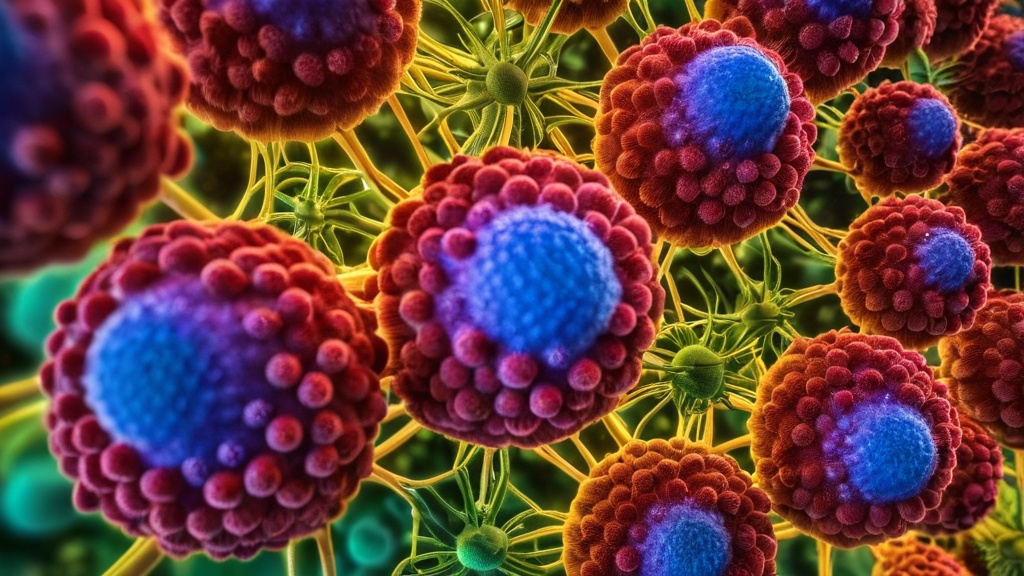
If you’re considering incorporating Thymosin Alpha-1 into your health regimen for immune support, it’s essential to understand how to use it effectively. This peptide is typically administered via subcutaneous injection, allowing for direct absorption into your bloodstream. The dosage may vary depending on individual needs and health conditions, so consulting with a healthcare professional is crucial before starting any regimen.
In addition to injections, some formulations may be available in oral or nasal spray forms. However, the efficacy of these alternative delivery methods can vary significantly compared to injections. As you explore your options, it’s important to weigh the benefits and drawbacks of each method while keeping your specific health goals in mind.
Potential Side Effects of Thymosin Alpha-1
While Thymosin Alpha-1 is generally considered safe for most individuals when used appropriately, it’s essential to be aware of potential side effects. Some users may experience mild reactions at the injection site, such as redness or swelling.
In rare cases, more severe side effects may occur, including allergic reactions or changes in blood pressure. If you notice any unusual symptoms after using Thymosin Alpha-1, it’s crucial to seek medical attention promptly. As you navigate your journey with this peptide, staying informed about potential side effects will empower you to make safe and effective choices for your health.
Research and Studies on Thymosin Alpha-1
The body of research surrounding Thymosin Alpha-1 continues to grow, shedding light on its mechanisms and potential applications. Numerous studies have demonstrated its efficacy in enhancing immune responses in various populations, including those with compromised immunity due to age or illness. For instance, clinical trials have shown that Thymosin Alpha-1 can improve T-cell function in elderly individuals, suggesting its role in age-related immune decline.
Moreover, ongoing research is exploring its applications beyond infectious diseases and autoimmune conditions. Investigators are examining its potential benefits in cancer therapy, where enhancing immune responses could improve treatment outcomes. As you delve into these studies, you’ll find a wealth of information that underscores the importance of Thymosin Alpha-1 in modern medicine.
Comparing Thymosin Alpha-1 to Other Immune-Boosting Supplements
When considering immune support options, it’s helpful to compare Thymosin Alpha-1 with other supplements available on the market. Many people turn to vitamins such as vitamin C or D for their immune-enhancing properties; however, these nutrients primarily support general health rather than specifically targeting T-cell function like Thymosin Alpha-1 does. Other immune boosters may include herbal supplements like echinacea or elderberry, which have been traditionally used for their antiviral properties.
While these options can be beneficial for overall wellness, they often lack the targeted action that Thymosin Alpha-1 provides in modulating immune responses at a cellular level. As you evaluate your choices for immune support, consider how each option aligns with your specific health needs and goals.
The Future of Thymosin Alpha-1 in Immune Health
The future of Thymosin Alpha-1 appears promising as researchers continue to uncover its potential applications in various fields of medicine. With an increasing focus on personalized medicine and targeted therapies, this peptide may play a significant role in developing tailored treatments for individuals with specific immune-related conditions. As more clinical trials are conducted and new findings emerge, you can expect to see expanded uses for Thymosin Alpha-1 beyond its current applications.
As you stay informed about these developments, you’ll be better equipped to understand how Thymosin Alpha-1 could fit into future health strategies.
Consultation and Considerations Before Using Thymosin Alpha-1
Before incorporating Thymosin Alpha-1 into your health regimen, it’s essential to consult with a healthcare professional who understands your unique medical history and needs. They can provide guidance on appropriate dosages and administration methods tailored specifically for you. Additionally, consider any underlying health conditions or medications you may be taking that could interact with Thymosin Alpha-1.
Open communication with your healthcare provider will ensure that you make informed decisions about using this peptide safely and effectively. As you embark on this journey toward enhanced immune health, remember that knowledge and professional guidance are your best allies in achieving optimal results.
FAQs
What is Thymosin Alpha-1?
Thymosin Alpha-1 is a synthetic version of a naturally occurring peptide originally isolated from the thymus gland. It plays a role in modulating the immune system by enhancing T-cell function and promoting immune response.
What are the primary uses of Thymosin Alpha-1?
Thymosin Alpha-1 is primarily used as an immunomodulatory agent. It has been studied and used as an adjunct therapy for viral infections, certain cancers, and immune deficiencies to help boost the body’s immune response.
How does Thymosin Alpha-1 work in the body?
Thymosin Alpha-1 works by stimulating the production and maturation of T-cells, which are critical components of the adaptive immune system. It also enhances the activity of dendritic cells and promotes the release of cytokines, thereby improving immune surveillance and response.
Is Thymosin Alpha-1 approved by regulatory agencies?
Thymosin Alpha-1 has been approved for medical use in some countries, particularly for treating chronic hepatitis B and C infections. However, its approval status varies globally, and it may be considered experimental or off-label in certain regions.
What are the common side effects of Thymosin Alpha-1?
Thymosin Alpha-1 is generally well-tolerated. Some individuals may experience mild side effects such as injection site reactions, fatigue, headache, or flu-like symptoms. Serious adverse effects are rare.
How is Thymosin Alpha-1 administered?
Thymosin Alpha-1 is typically administered via subcutaneous injection. The dosage and treatment duration depend on the condition being treated and the prescribing physician’s recommendations.
Can Thymosin Alpha-1 be used alongside other treatments?
Yes, Thymosin Alpha-1 is often used in combination with antiviral drugs, chemotherapy, or other immunotherapies to enhance overall treatment efficacy. However, it should only be used under medical supervision to avoid potential interactions.
Is Thymosin Alpha-1 suitable for everyone?
Thymosin Alpha-1 may not be suitable for individuals with certain autoimmune diseases or allergies to the peptide. Pregnant or breastfeeding women should consult their healthcare provider before use.
Where can Thymosin Alpha-1 be obtained?
Thymosin Alpha-1 is available by prescription in countries where it is approved. It should be obtained through licensed pharmacies or healthcare providers to ensure quality and safety.
What research supports the use of Thymosin Alpha-1?
Numerous clinical studies have investigated Thymosin Alpha-1’s role in enhancing immune function, particularly in viral infections like hepatitis B and C, as well as in cancer immunotherapy. Ongoing research continues to explore its potential benefits in other immune-related conditions.